How Indiana Summer Heat Quietly Shortens Your Roof’s Lifespan
Indiana summer heat can weaken a roof gradually, even when shingles appear normal from the ground. Prolonged sunlight, hot attic conditions, and repeated temperature changes place steady stress on roofing materials throughout Indianapolis and Central Indiana. Understanding these effects helps homeowners recognize hidden deterioration before it affects the roof’s long-term performance.
Key Takeaways
- Prolonged summer heat can dry, weaken, and prematurely age residential roofing materials.
- Daily temperature swings repeatedly stress shingles, flashing, fasteners, and protective seals.
- Poor attic ventilation increases heat exposure from both sides of the roof.
- Older roofing systems often show heat-related deterioration sooner than newer materials.
Why Indiana Summer Heat Wears Down Roofing Materials Faster
Roofing materials absorb intense sunlight for several hours during a typical Indiana summer day. Temperatures then fall overnight, forcing the system through repeated heating and cooling cycles. These conditions gradually weaken shingles and supporting components, often without producing immediate leaks or visible interior damage.
This section explains five distinct ways summer heat accelerates roof deterioration across Indianapolis and Central Indiana.
Repeated Expansion and Contraction Weakens Roofing Materials
Roofing materials expand during hot afternoons and contract as temperatures fall across Indianapolis each evening. Regular inspections can identify separated seams, lifted edges, and weakened connections before continued movement causes wider deterioration. This repeated stress explains why homeowners should have the roof inspected before hidden damage spreads into vulnerable areas.
Intense UV Exposure Breaks Down Asphalt Shingles
Direct ultraviolet exposure dries asphalt shingles and gradually weakens the protective compounds that maintain flexibility. Addressing brittle surfaces and excessive granule loss supports fixing worn shingles before they lead to bigger problems during later storms. Preserving the shingle surface matters because exposed asphalt absorbs additional heat and ages more quickly.
High Attic Temperatures Increase Roof Stress
Poor attic ventilation can trap extreme heat beneath the roof deck during long summer afternoons. Balanced airflow helps release accumulated heat and reduces thermal pressure on shingles, underlayment, and structural decking. This control matters because roofs in areas like Carmel and Fishers may otherwise absorb heat from above and below.
Heat Speeds Up Sealant and Flashing Deterioration
High temperatures can dry roofing sealants and weaken connections around vents, chimneys, and flashing transitions. Examining these areas helps reveal cracking or separation before rainfall enters gaps created by thermal movement. Early evaluation matters because small flashing weaknesses can permit moisture beneath otherwise intact roofing materials.
Long Heat Waves Accelerate Roof Aging
Older roofs often have reduced flexibility after years of sunlight, storms, moisture, and seasonal temperature changes. Reviewing the entire system helps determine when it makes sense to replace an aging roof rather than repeatedly addressing widespread deterioration. This assessment matters because extended Central Indiana heat can expose weaknesses that isolated surface checks may miss.
How to Help Your Roof Last Longer Through Indiana Summers
Summer heat places steady stress on every roofing system, but consistent care can reduce its long-term effects. Simple maintenance practices help roofing materials withstand repeated exposure to high temperatures throughout Indianapolis and Central Indiana. The following factors contribute to preserving roof performance during Indiana’s hottest months.
This section covers practical maintenance practices that help reduce heat-related roof deterioration over time.
Proper Attic Ventilation
A poorly ventilated attic traps heat beneath the roof deck and increases temperatures throughout the roofing system. Improving airflow helps reduce thermal stress on shingles, underlayment, and structural components during prolonged summer heat. Lower attic temperatures contribute to protecting your roof with ongoing maintenance by reducing unnecessary heat exposure year after year.
Inspect attic vents periodically to ensure they remain unobstructed and capable of moving warm air outside during the hottest months.
Routine Roof Inspections
Heat-related deterioration often develops gradually and remains unnoticed until larger problems appear after storms or heavy rainfall. Regular evaluations help by identifying small concerns before they become more extensive. Early detection supports longer roof performance throughout Indianapolis summers.
A visual inspection from the ground after prolonged heat can reveal noticeable changes that deserve additional evaluation.
Early Shingle Repairs
Small cracks, curling edges, or missing granules become more vulnerable during periods of prolonged summer heat across Central Indiana. Correcting isolated roofing issues before they spread helps preserve surrounding materials and reduces the likelihood of more extensive deterioration during future weather cycles. Addressing minor concerns promptly supports a longer-lasting and more reliable roofing system.
Avoid postponing visible roofing concerns because continued heat exposure can accelerate existing wear.
Keeping the Roof Surface Clear
Leaves, branches, and accumulated debris can trap heat and moisture against roofing materials during the hottest part of the year. Maintaining a clean roof surface promotes proper drainage while reducing unnecessary stress caused by prolonged surface exposure. Homes throughout Carmel and Greenwood often experience better long-term roof performance when seasonal debris is removed.
Check roof valleys and edges after windy weather to identify debris accumulation without walking directly on the roof.
Roofing Material Selection
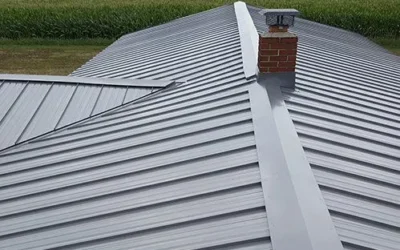
Different roofing materials respond differently to prolonged heat, ultraviolet exposure, and repeated seasonal temperature changes. For some homeowners, upgrading to a more durable metal roofing system offers greater resistance to heat, expanding and contracting temperatures, and long-term weather exposure. Choosing roofing materials that match Indiana’s climate can improve durability while supporting long-term performance.
Review the overall condition, expected lifespan, and performance goals of the existing roof before considering future material options.
Protect Your Roof Before Indiana’s Summer Heat Takes Its Toll
Since 2011, Kingdom Roofing Systems has helped Indiana property owners protect their homes through honest guidance and dependable exterior solutions. Faith-driven workmanship and recognized industry certifications provide confidence that every roofing project is completed with lasting value in mind.
Summer heat gradually affects every roof, making early evaluation more valuable than waiting for visible problems to appear. Understanding how temperature, roof age, and material condition work together helps homeowners make informed long-term decisions.
Request a free estimate to better understand how Indiana’s summer climate may be affecting your roof today. Contact our team to schedule a professional roof evaluation and discuss the next steps for protecting your home.
Frequently Asked Questions
Does summer heat damage roofs even without storms?
Yes. Prolonged exposure to high temperatures and ultraviolet radiation gradually weakens roofing materials over time. Daily expansion and contraction also place repeated stress on shingles, flashing, and sealants, even during dry weather.
How can I tell if my roof has heat-related damage?
Common signs include curling shingles, excessive granule loss, cracked sealants, faded roofing materials, and loose flashing. Some heat-related deterioration develops gradually, making periodic inspections helpful for identifying issues before they become more noticeable.
Does attic ventilation affect roof lifespan?
Yes. Proper attic ventilation helps reduce heat buildup beneath the roof deck during hot Indiana summers. Lower attic temperatures reduce thermal stress on roofing materials and contribute to more consistent long-term roof performance.
Are older roofs more vulnerable to summer heat?
Generally, yes. Roofing materials naturally lose flexibility as they age, making them more susceptible to prolonged heat exposure and repeated temperature changes. Older roofs often show signs of heat-related deterioration sooner than newer roofing systems.