INDIANA’S SAFEST CHOICE FOR ROOFING & SIDING317-674-4900|765-573-5899

Roof Lifespan in Indianapolis: What Homeowners Should Expect

Sep 1, 2025 | Roofing

Your roof does more than keep out the rain. It safeguards your family, your belongings, and the long-term value of your home. But even the strongest roofing system won’t last forever.

Every homeowner eventually wonders, “How long does a roof really last?

The answer depends on several local factors, including the type of roofing materials used, the quality of installation, and how well the roof is maintained over time. Below, we’ll break down how long a roof typically lasts and the key factors that influence its performance year after year.

Key Takeaways

  • Roof life in Indianapolis depends on materials, weather, installation quality, attic ventilation, and regular homeowner maintenance.

  • Asphalt shingle roofs last about thirty years, while metal, slate, and tile options can last much longer.

  • Local storms, poor installation, and skipped inspections can cause early leaks, mold, and expensive roof repairs.

  • Regular inspections, clear gutters, and proper installation help Indianapolis roofs stay strong and last for many dependable years.

How Long Does a Roof Last?

In general, common roofing materials like asphalt shingle roofs last around 20 to 30 years, while metal roofs can exceed 50 years. However, this value depends on several key factors.

Let’s look at the main factors that determine roof lifespan in Indianapolis:

Local Climate and Seasonal Extremes

The local climate in Indianapolis puts every roof to the test. Hot, humid summers and freezing winters shorten a roof’s lifespan by breaking down materials under extreme weather conditions.

The sun’s UV rays can strip away protective granules from asphalt shingles, while snow and ice create heavy loads that stress the roof structure.

When high winds and hailstorms roll through central Indiana, roof leaks, damaged shingles, and loose shingles become common warning signs that the roof’s life is nearing its limit. Proper insulation and inadequate ventilation correction can help maintain a consistent temperature in your attic, reducing stress on the roof deck and extending the lifespan of your roof.

Roofing Materials and Durability

The lifespan of a roof depends on the roofing materials used. Below is a comparison of the most common ones found across Indianapolis:

Roofing Materials

Average Lifespan

Asphalt Shingle Roofs

20–30 years

Architectural Asphalt Shingles / High Quality Shingles

Up to 40 years

Metal Roofs (Metal Panels)

40–50+ years

Wood Shingles / Wood Roofs

25–30 years

Slate Roofs / Clay Tiles

Over a century

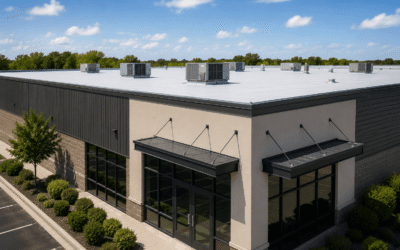
Flat Roofs / Low Slope Roofs (Commercial Buildings)

20–25 years


Installation Quality

Even higher-quality roofing materials can fail early without proper installation.

We frequently see poor installation following severe Indiana storms, leading to roof leaks, early aging, and costly repairs.

A professional installation by an Owens Corning Platinum Contractor ensures every component—from underlayment to ridge caps—is positioned for optimal protection. Skilled contractors also account for pitched roofs or steeper roofs, guaranteeing water runoff efficiency.

Whether you’re scheduling a new roof or preparing for a full roof replacement, choosing a certified installer ensures your roof’s life expectancy meets its potential.

Ventilation and Attic Conditions

Proper attic ventilation directly impacts roof longevity.

Without adequate airflow, trapped heat and humidity accelerate the deterioration of roofing shingles and cause mold growth and rot within the roof deck. Homes near areas like Broad Ripple or Meridian-Kessler often have older systems that lead to inadequate ventilation, shortening the roof’s life.

Upgrading to modern ridge vents and intake systems can balance temperatures year-round, reducing strain on your roof while also improving energy efficiency and lowering cooling costs.

Maintenance and Local Hazards

Routine roof maintenance helps extend your roof’s life expectancy and prevents frequent repairs. In Indianapolis, heavy rain, storm damage, falling tree limbs, and clogged gutters are regular threats. Regular inspections allow homeowners to spot missing shingles, damaged shingles, or water stains before they lead to leaks and roof repairs.

Using high-quality materials and following a consistent maintenance plan ensures your roof lasts decades longer—even under severe weather conditions that challenge Indiana homes every year.

How to Help Your Roof Exceed Its Expected Lifespan in Indianapolis

Extending your roof’s life in Indianapolis requires more than durable materials. It takes proactive care and consistency. Here’s how to help your roof exceed its expected lifespan:

Schedule Regular Roof Inspections

Every roof needs regular inspections to identify warning signs of wear, storm damage, or early roof leaks. An annual checkup is especially important for asphalt roofs and three-tab asphalt shingles, which can lose shingle granules faster in Indiana’s fluctuating temperatures.

Timely repairs preserve your roof warranty and delay the need to replace your roof, while professional assessments help homeowners understand when to plan for a new roof installation or restoration.

Maintain Proper Attic Ventilation

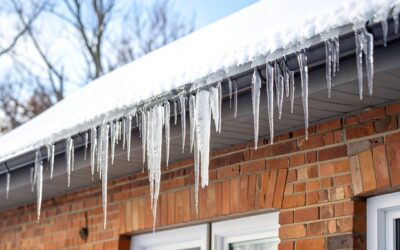
Maintaining a consistent temperature in your attic extends the lifespan of your roof. Proper airflow prevents mold growth, wood rot, and inadequate ventilation problems that shorten a roof’s life. It also helps avoid ice dams that can lift shingles and expose the roof’s surface.

Effective ventilation upgrades not only protect the roof’s structural integrity but also improve energy efficiency, reducing cooling costs throughout the summer.

Keep Gutters and Downspouts Clear

Neglecting gutter maintenance leads to clogged gutters and standing water, which damage the fascia, soffit, and roof deck.

Homeowners surrounded by mature trees in areas like Irvington or Broad Ripple should clean gutters multiple times a year or install guards that require minimal maintenance.

Keeping gutters clear prevents water overflow that can cause roof leaks, water stains, or deterioration of the roof’s surface.

Address Storm Damage Promptly

Storm damage from hail, high winds, and debris can shorten a roof’s life expectancy if not handled immediately. A local roofer familiar with Indiana’s severe weather patterns can assess whether you need targeted repairs or a full roof replacement.

Addressing damaged shingles or compromised flashing quickly prevents moisture from seeping into the roof structure and avoids costly repairs down the line.

Invest in Professional Installation and High-Quality Materials

When you decide to replace your roof, invest in high-quality materials and professional installation to ensure durability. Architectural shingles, metal panels, and synthetic materials resist extreme weather conditions better than cheaper alternatives.

Using durable material and working with a trusted local contractor improves your roof’s life expectancy and minimizes the risk of poor installation or voided warranties.

Manage Surrounding Trees and Roof Debris

Nearby trees add curb appeal but can be hazardous during storms. Falling tree limbs and debris trap moisture, encouraging mold growth and weakening the roof’s surface.

Regular pruning reduces the risk of impact damage, especially for pitched roofs and steeper roofs common across Marion County. This simple step protects your home’s roof structure and prolongs the lifespan of your roof.

Seal and Protect Roof Penetrations

Leaks around chimneys, vents, and skylights often develop before other parts of the roof. Sealing these areas with long-lasting materials prevents frequent repairs and keeps the roof’s structural integrity intact.

Replacing old rubber boots with silicone versions and reinforcing flashing helps safeguard against leaks for over a century of potential roof performance—especially when paired with proper maintenance and high-quality sealants designed for Indiana’s severe weather conditions.

Ready to Extend the Life of Your Roof?

Every homeowner deserves a roof that meets or exceeds its expected lifespan. Whether you have asphalt shingles, metal panels, or other common roofing materials, our experts at Kingdom Roofing Systems can help you protect your investment. We specialize in roof installation, repairs, and replacements designed for Indiana’s local climate.

Call (317) 674-4900 or (765) 573-5899 to schedule your free estimate and discover how proper maintenance and expert care can help your roof stand strong for decades.

Frequently Asked Questions

How can proper maintenance affect my roof’s life expectancy?

Proper maintenance keeps your roof in strong condition by preventing leaks, improving ventilation, and extending your roof’s life expectancy. It also helps preserve your roof warranty and ensures lasting performance through expert care and inspections.

Are concrete tiles a good option for Indianapolis homes?

Concrete tiles perform well in Indiana’s changing weather when installed correctly. They are durable, energy-efficient, and require minimal upkeep. Our team ensures professional installation and inspections to confirm long-term safety and structural compatibility.

What should homeowners know about flat roofs before choosing one?

Flat roofs work well for commercial and modern homes but require consistent care. Regular maintenance prevents water pooling and damage. Kingdom Roofing Systems provides inspections, repairs, and expert installation to keep flat roofing systems reliable.

Do you offer new roof installation for homes with asphalt shingles or different roofing materials?

Yes, we offer new roof installation for asphalt shingles and many different roofing materials. Our certified team ensures precision installation, warranty-backed protection, and long-term value for homeowners across Indianapolis and surrounding areas.
Let Kingdom Roofing Systems help you choose the right siding.

Roof Lifespan in Indianapolis: What Homeowners Should Expect

Sep 1, 2025 | Roofing

Dealing with moss on your roof in Indiana? Removing it promptly is essential to prevent damage. Hiring a professional roof inspector for thorough evaluations is crucial to ensure your roof’s condition is properly assessed. If left unattended, moss can trap moisture, leading to structural issues such as loosened shingles, roof leaks, and the growth of damaging organisms like mold and algae. This guide shows you how to get moss off your roof in Indiana effectively and keep it off for good.

Key Takeaways

  • Moss retention on roofs can lead to moisture issues, damaging shingles and compromising the roof’s structural integrity, making early identification and removal essential.
  • The best time to remove moss in Indiana is during spring and summer when growth is easier to manage due to warmer and dryer conditions.
  • Regular maintenance by a roofing contractor, including debris clearance and the installation of prevention measures like zinc strips, is key to preventing future moss growth and ensuring roof longevity.

Why Moss is a Problem for Your Roof

Neglecting the presence of moss might seem inconsequential, yet if not managed, it can inflict considerable harm on your roof. Moss’s propensity to hold onto moisture when in contact with roofing materials is particularly problematic, as it prompts the deterioration of shingles and fosters wood rot over time. This trapped moisture accelerates the degradation process for roofing materials and can threaten the structural soundness of your roof, leading to expensive repair work. As this cycle progresses, moss proliferates, compounding these issues.

The expansion of moss has another detrimental effect. It can pry apart shingles thereby paving avenues through which water may infiltrate causing leaks and additional damage. Its weight adds undue strain to a roof structure that could yield lasting damage if left unchecked. Early detection and remediation are critical in avoiding grave consequences like extensive damages or costly repairs—particularly pertinent when asphalt shingles come into play. A home inspector can identify moss issues during a general assessment, but a dedicated roofing contractor might be necessary for a specialized focus. Additionally, inspecting attics for signs of moss-related damage, such as water stains and wood rot, is crucial.

To overlook moss accumulation spells potential trouble for any rooftop. Conducting regular inspections focused on detecting early signs of growth plays an essential role in preemptively dealing with these threats before they escalate beyond control—a strategy pivotal for circumventing future proliferation that leads to problems down the line while ensuring one’s roof remains intact thus bypassing comprehensive repairs or total replacement woes. Knowing your roof’s condition through these inspections provides crucial insights for budgeting and planning future repairs.

Identifying Moss on Your Roof

To tackle the issue effectively, it’s essential to spot any moss present on your roofing. Moss commonly forms in lush green clumps and favors the shaded, moist spots atop your roof. In contrast to algae that manifests as slick dark lines, roof moss presents itself as soft, dense vegetation frequently nestled into shingle gaps.

It is imperative to perform a thorough inspection of the roof to detect early signs of moss and stave off additional harm. Regular inspections should specifically search for evidence of this growth so that you can address it swiftly. Early detection allows you to implement measures for eradicating the moss and safeguarding your roof’s structure during a home inspection. This may also entail enlisting expertise from a roofing professional to conduct a thorough roof inspection and provide a detailed assessment.

Best Time to Remove Moss in Indiana

The timing of moss removal is essential for its success. In Indiana, the prime seasons to tackle removing moss are spring and summer, with warm and dry climates being ideal. The summer period offers a particular benefit as during this time, moss often enters a dormant state and adheres less firmly to roof shingles, thus simplifying the scraping process.

It’s preferable to undertake moss removal when the weather forecast predicts clear skies since this assists in thoroughly drying out any clean moss remnants, facilitating their complete eradication. Wet conditions can make moss removal more challenging as moss holds moisture against shingles, promoting the growth of damaging organisms and creating slippery conditions.

Selecting just the right moment for eliminating moss plays an instrumental role in sustaining a tidy appearance for your roof—a key factor that contributes substantially to both its durability and overall condition. Engaging a professional roofing contractor can further enhance the effectiveness of moss removal. These experts conduct thorough assessments and provide critical insights into repairs and specialized services, ensuring that your roof remains in optimal condition.

Step-by-Step Guide to Removing Moss for Professionals

The task of moss removal from your roof should ideally be undertaken by a trusted roofing company, particularly when the extent of moss growth is significant. Initially, it’s crucial to evaluate how severe the moss accumulation is on the roof to decide upon an effective method for its eradication. Techniques such as manual scraping, water washing, and chemical applications are commonly employed pressure washing methods for eliminating moss. If the moss damage is extensive, it may necessitate a roof replacement to ensure long-term durability and property value.

Should you feel uneasy about carrying out this process yourself, it’s wise to engage a professional roof cleaning service to guarantee that the job is conducted safely and with precision. Subsequent sections delve into vital preparatory steps required before initiating moss removal on your roof, various hands-on techniques used in manually removing moss, and instructions for applying chemicals designed specifically as a moss killer solution.

Preparing the Roof for Moss Removal

Before initiating the process of moss removal from your roof, it’s essential to adequately prepare the area. Ensure you prioritize safety precautions by utilizing a sturdy ladder equipped with anti-slip features and wearing footwear that offers good traction to mitigate the risk of falling. It is also advisable to wear protective gloves and eyewear for personal protection while removing the moss.

To safeguard your garden or surrounding plants during cleaning, either shield them using plastic tarps or apply a mixture of watered-down dish soap. This will help prevent any harm that might arise from contact with cleaning agents. When ready to begin spraying your roof, do so starting at its peak and working downward. Using the right tools, such as a high-quality sprayer and appropriate cleaning solutions, helps in preserving the integrity of the moss until you commence manual removal, thereby simplifying this part of the task.

Manual Moss Removal Techniques for Professionals

Using appropriate tools is crucial for the manual removal of moss, which includes using brooms and roof rakes specifically designed for this task. For effectively scrubbing moss from your roof without inflicting damage, a stiff brush proves to be an excellent tool. Employing a long-handled brush can enhance safety and efficiency when clearing moss off elevated roofing areas. Professional roofers are often recommended for this task due to their expertise and adherence to safety procedures.

When attempting to clean the moss from your roof tiles, it’s advisable to start at the top and work your way down in order to prevent water infiltration that could lead to leaks. Before beginning the cleaning process with gentle strokes, moisten the targeted sections with water using a garden hose. This will facilitate easier removal of the moss without having to apply excessive force that might harm the shingles. Using gentle techniques is essential to avoid damaging the roofing materials.

The process of manually removing debris may require considerable effort, but remains effective against small cracks if executed cautiously. This meticulous approach serves as an adequate alternative method where cracked methods fail or are not suitable.

Applying Moss Killer Solutions

Utilizing moss killer formulations guarantees the thorough elimination of moss while also deterring its recurrence. Potent cleaning concoctions, like a diluted mixture of bleach and water, are adept at exterminating present moss and thwarting new growth. For effective moss eradication, it is essential to use a moss remover, as it ensures the proper timing and application needed to maximize results. For optimal efficacy, let these mixtures dwell on the affected areas for no less than 20 minutes before washing it off.

It’s crucial to adopt eco-conscious approaches when combating moss to preserve adjacent ecosystems. Administer the anti-moss solution in a descending manner by employing either a spray bottle or pump sprayer. This ensures uniform application and boosts the efficiency of your efforts as you work towards removing moss from surfaces. After applying the solution, addressing the remaining moss is important. Gently wipe off this residual moss using a soft-bristle brush or cloth as part of the final cleanup to ensure a thorough cleaning.

Post-Removal Cleanup

After eliminating the moss, it is essential to engage in an exhaustive cleaning of the removed area. Employ low-pressure water to cleanse the roof and remove any particles of moss that may still be present, thus securing a spotless surface. It’s also crucial to clear away any leftover residue or debris from gutters and downspouts using pressure washing. This action helps avoid blockages that could lead to water damage. Additionally, ensure that all dead moss is completely removed, as it can still retain moisture and cause potential damage.

Subsequent to rinsing off the roof, conduct a detailed inspection for areas where moss might have been overlooked so as to ensure its complete removal. Implementing these measures safeguards your roof’s integrity and deters growth of moss. Regular roofing inspections are also vital after moss removal to maintain the structural integrity and longevity of your roof.

Preventing Future Moss Growth

Preventing future moss growth requires regular roof maintenance and proactive measures to prevent future growth. Here are some steps to consider.

  1. Clear debris and moss remnants from the roof to prevent clogging of gutters and drainage systems.
  2. Regularly clean gutters to ensure proper water flow.
  3. Trim overhanging trees to reduce moisture buildup on your roof, which in turn limits moss growth.

By following these steps, you can effectively manage and prevent moss growth on your roof to rid it of various elements.

Several preventive measures can inhibit moss and algae growth on your roof. Zinc or copper strips can effectively prevent moss growth by creating a hostile environment for moss and algae. Using algae-resistant roofing shingles can also prevent moss growth in humid and damp areas.

By implementing these preventative measures, you can keep your roofs free from unsightly stains and potential water damage. Regular maintenance and proactive steps will help ensure your new roof remains in top condition for years to come and prevent future growth of moss and algae.

When to Call Professional Roofing Contractors

In cases where homeowners are equipped to tackle moss removal by themselves, it might still be advisable to engage expert roofing professionals for the task. This is particularly true when dealing with widespread moss overgrowth on a roof that can be dangerous due to its slippery nature and steep angles. Trained professionals bring specialized equipment and expertise essential for safely conducting these operations while avoiding any additional harm.

Such specialists deliver comprehensive services beyond just eradicating moss—they also handle gutter cleaning, which is instrumental in deterring new accumulations of moss. They apply methods in their roof cleaning processes that are not only effective but also gentle on the environment, ensuring protection for both your home’s top layer and the natural setting around it. Opting for a professional in roofing guarantees meticulous inspections as well as regular upkeep activities designed to extend your roof’s lifespan. Certified home inspectors contribute crucial assessments regarding your roof’s overall state—including determining if there’s an impending necessity for its replacement. Careful handling during these tasks is crucial to avoid causing damage, especially when removing moss or inspecting shingles.

Cost Implications of Moss Removal

Comprehending the financial aspects of moss removal is crucial for planning your maintenance budget. The cost to clean a roof typically varies from $0.20 to $0.35 per square foot, with factors like the degree of moss growth and chosen cleaning techniques influencing the price. For an average-sized roof encompassing 1,500 square feet, you might expect to spend between $300 and $525 on cleaning services. Meanwhile, for larger roofs around 2,000 square feet in size, the standard cost hovers near $440. Addressing potential problems through moss removal is essential to avoid costly repairs and ensure the longevity of your roofing system.

In terms of prevention strategies such as implementing zinc strips on your roof, you can incur expenses ranging from $25 to $50 per 50-foot roll. While this outlay may appear substantial at first glance, it’s considered a sound investment that serves not only to dodge exorbitant future repair bills, but also extends the overall durability of your roofing system. The timing and quality of these preventative measures can make all the difference in achieving effective long-term results and preventing future issues.

Summary

In conclusion, moss removal is a critical aspect of roof maintenance that should not be overlooked. Moss can cause significant damage to your roof, leading to potential leaks and structural issues if left untreated. Maintaining the roof’s integrity by identifying moss early, removing it effectively, and taking preventive measures can help avoid costly repairs and ensure the overall health of your building.

By understanding the best times for moss removal, the steps involved in the process, and when to call professional roofing contractors, you can ensure your roof remains in top condition. Investing in regular maintenance and proactive measures will pay off in the long run, keeping your roof moss-free, enhancing its curb appeal, and extending its lifespan.

Frequently Asked Questions

What are the signs of moss growth on my roof?

Signs of moss growth on your roof include large clumps of moss and dark stains, which can indicate the presence of algae. These are often found in shaded and damp areas or in the cracks and crevices of shingles.

Addressing these issues promptly can help maintain the integrity of your roof.

When is the best time to remove moss from my roof in Indiana?

The best time to remove moss from your roof in Indiana is during spring or summer, as moss continues to grow and retain moisture, leading to significant problems for roofing materials. The warm and dry weather during these seasons enhances the effectiveness of the removal process.

Can I remove moss from my roof myself?

You can remove moss from your roof yourself, but it’s advisable to conduct a roof inspection before attempting DIY moss removal to ensure the roof’s health and identify any underlying issues.

Additionally, avoid using a pressure washer for moss removal, as it can damage roofing materials and merely dislodge the moss rather than completely eliminate it.

How much does it cost to remove moss from a roof?

Removing moss from a roof generally costs between $0.20 and $0.35 per square foot, amounting to approximately $300 to $525 for an average 1,500 square foot roof. Additionally, incorporating roofing inspections into your maintenance routine can help identify potential issues early, ensuring the structural integrity and longevity of your roof.

What preventive measures can I take to avoid future moss growth?

To effectively prevent future moss growth, seek qualified inspectors through the International Association of Certified Home Inspectors® (NACHI) to ensure your roof is properly maintained. Regularly clean your gutters, trim overhanging trees, install zinc or copper strips, and consider using algae-resistant shingles for the protection and longevity of your house.

These measures will significantly reduce the conditions that foster moss growth.

Related Posts

Is Your Roof Ready for Fall Storms in Fort Wayne? Here’s What to Check

Is Your Roof Ready for Fall Storms in Fort Wayne? Here’s What to Check

Fall in Fort Wayne brings crisp evenings, colorful leaves, and unpredictable storms—making roof readiness a seasonal priority. Heavy rain, strong winds, and the first signs of snow can expose weak spots that went unnoticed during the warmer months. For many families, preparing now means avoiding costly repairs and ensuring safety when winter weather sets in.

read more
What to Expect During a Roof Inspection in Indiana

What to Expect During a Roof Inspection in Indiana

Your roof quietly works 365 days a year—shielding your home from Indiana’s rain, snow, hail, and summer sun. But when was the last time someone checked that it’s still doing its job? A roofing inspection is a key part of home maintenance, essential to keeping your home protected and preventing small issues from turning into major repairs.

read more